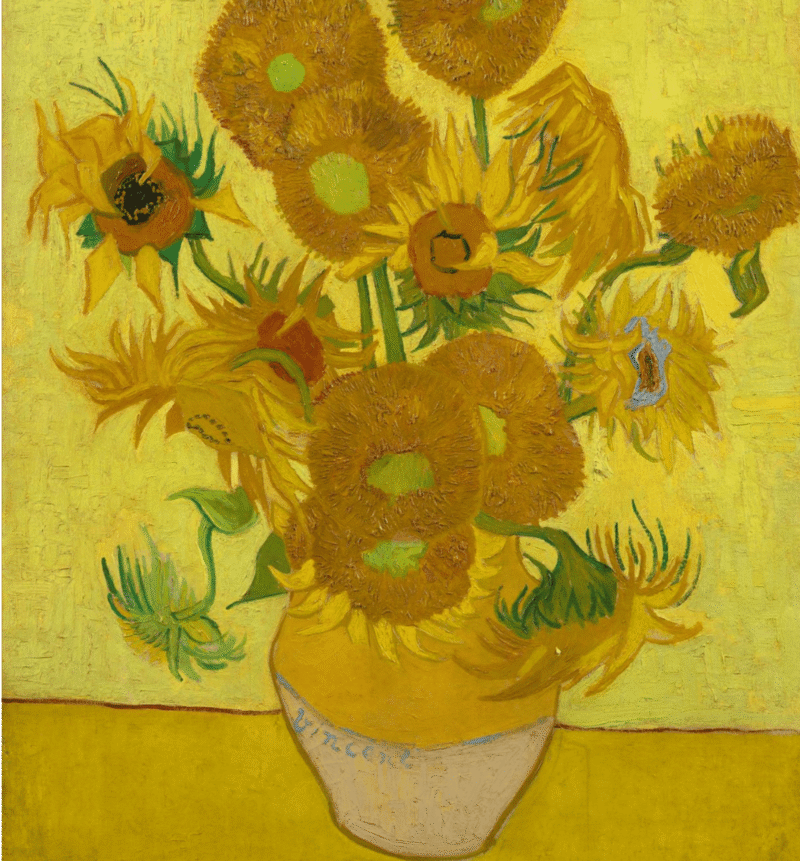
Two hundred paintings, five hundred drawings and seven hundred letters, by one man who sold almost nothing in his lifetime. The Van Gogh Museum on the Museumplein holds the largest collection of his work anywhere, and it is the most-reviewed attraction in Amsterdam — 4.8 out of 5 across more than ten thousand ratings. From €27, timed entry only, and it sells out.
What is in the museum
The museum tells one life in order. The ground floor sets out the early Dutch years — dark, heavy paintings of peasants and weavers that look like nothing you associate with the name. Then Paris, where the palette changes almost overnight. Then Arles, Saint-Rémy and Auvers, where the work most people know was made in under three years.
That chronology is the point. Seen in sequence you watch a painter teach himself in a decade, and the famous canvases stop being decorative objects and become the end of an argument. Allow two hours; an hour is enough for the highlights but you lose the story.
Alongside the paintings hang works by Gauguin, Monet, Toulouse-Lautrec and Bernard from the same collection, so you can see what Van Gogh was looking at while he worked.
| Van Gogh Museum | |
|---|---|
| Address | Museumplein 6, Amsterdam |
| Getting there | Tram 2 or 12 to Museumplein; a short walk from the Rijksmuseum |
| Time needed | About 2 hours |
| Tickets | Timed entry only — you book a slot, not a day |
| Price | from €27,00 per person |
| Rating on Tiqets | 4.8 out of 5 across more than 10,500 reviews |
| Photography | No photography of the paintings |
Check available time slots and book the Van Gogh Museum
What to see if you have an hour
If time is short, these five are the spine of the collection and they are all on one route:
- The Potato Eaters (1885) — the ambitious failure of the Dutch years, and the painting he was proudest of at the time.
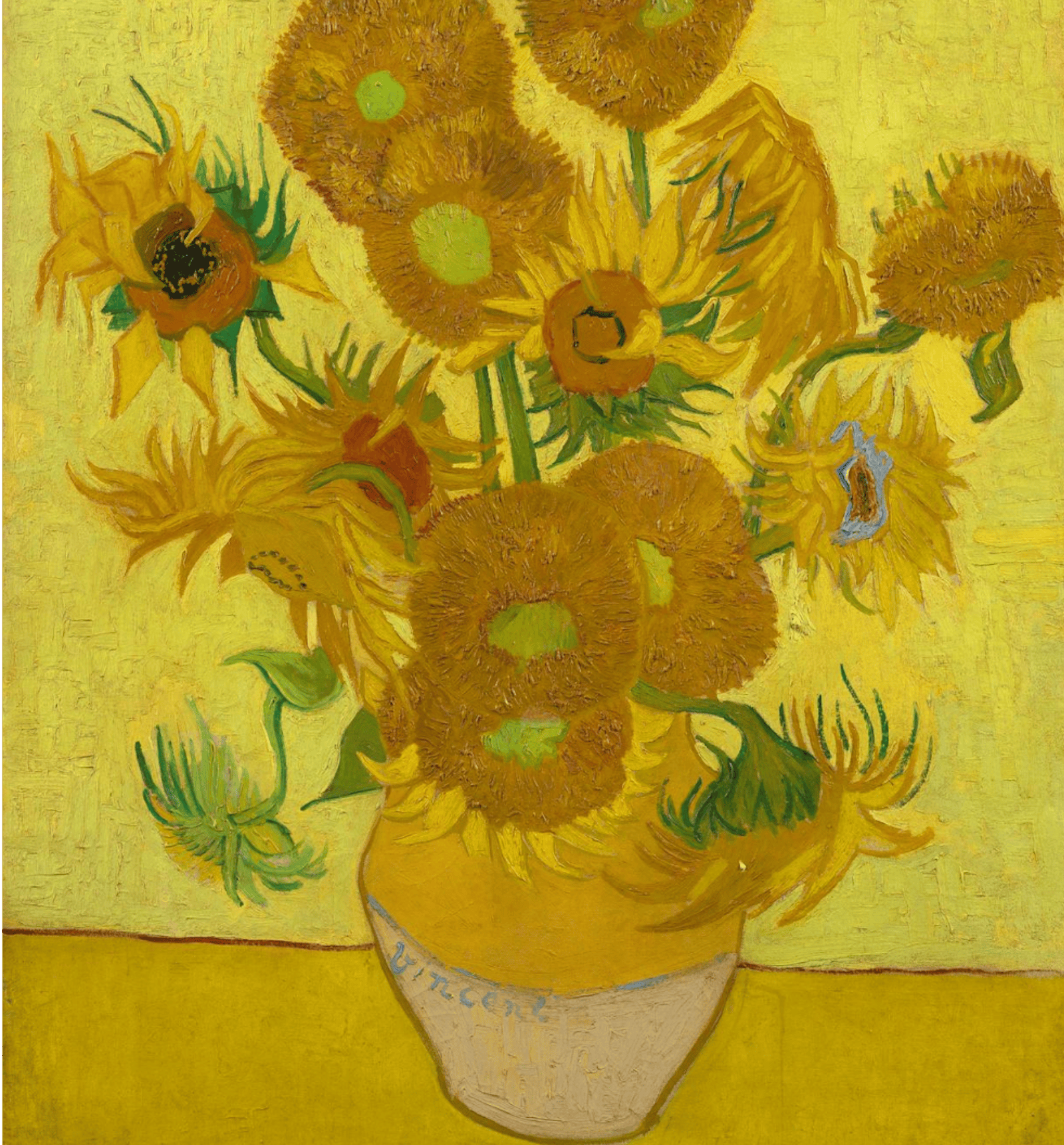
- Sunflowers (1889) — one of five versions, painted to decorate the room he was preparing for Gauguin in Arles.
- The Bedroom (1888) — that same house, painted flat and bright because he wanted it to suggest rest.
- Almond Blossom (1890) — made for his newborn nephew, and the most hopeful thing in the building.
- Wheatfield with Crows (1890) — one of the last works, and not, whatever you have read, a suicide note.
How the collection got here
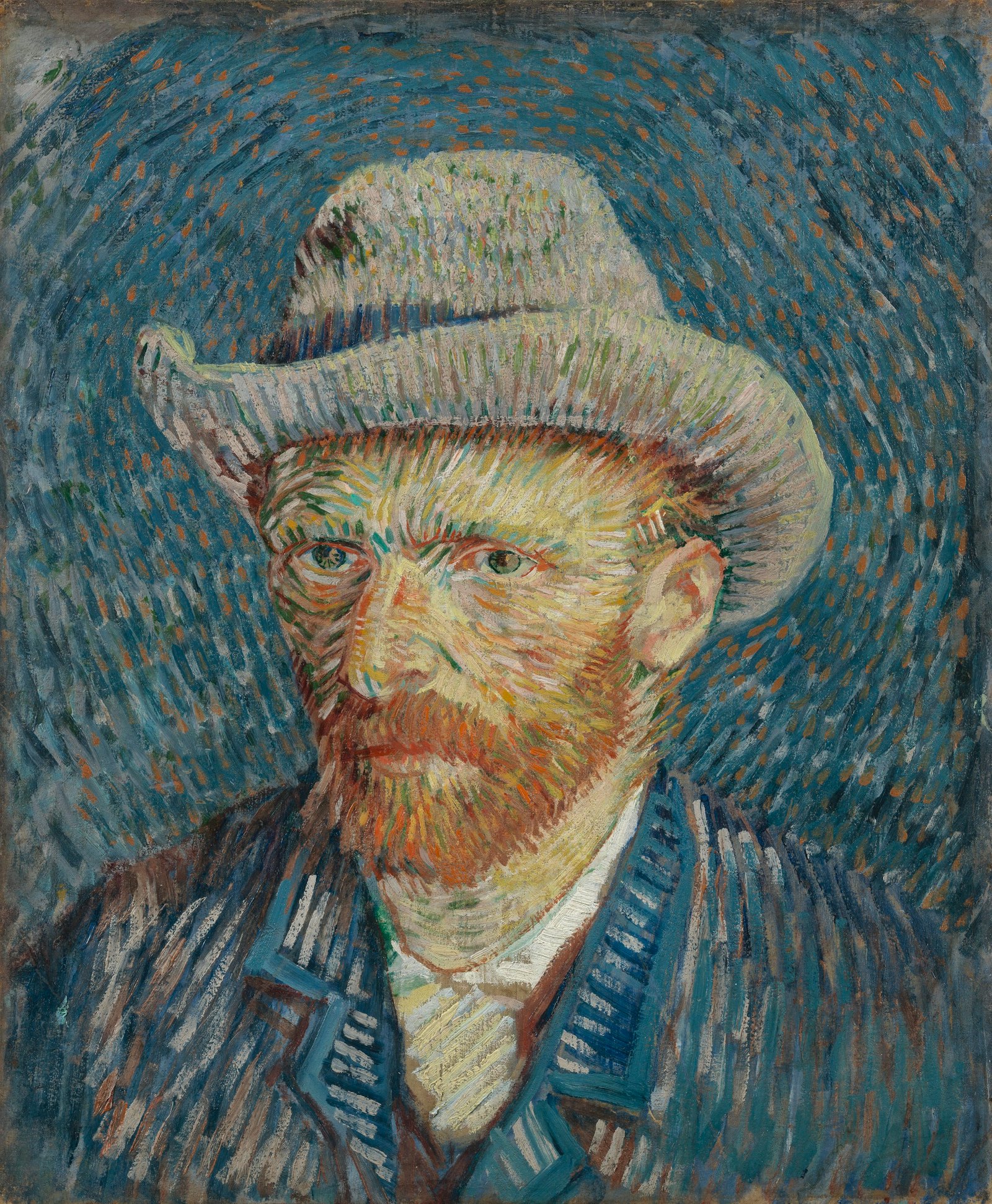
Van Gogh sold almost nothing. When he died in 1890 the work went to his brother Theo, who died six months later, and then to Theo’s widow Jo van Gogh-Bonger. She spent the next thirty years lending, exhibiting, selling carefully and translating the letters into English.
The reputation that fills this building was largely built by her. The collection passed to her son and, in 1962, to a state foundation; the museum opened on the Museumplein in 1973. That is why almost everything is in one place rather than scattered across the world.
Practical points
- Book a time slot in advance. There is no ticket desk queue to join — entry is timed and busy slots sell out days ahead in summer.
- Arrive within your slot, not before it. Early arrivals wait outside.
- Large bags and backpacks go in the cloakroom, which is free but has a queue of its own at peak times.
- Photography of the paintings is not allowed. The rule is enforced.
- The quietest times are the first slot of the day and after about 16:00.
- The Museumplein has three major museums on one square — pair it with the Rijksmuseum or the Stedelijk if you have a full day.
On the same square: the Rijksmuseum and our guide to the Museumplein. All the museums in the canal district are listed on our museums page.
Frequently asked questions
From €27,00 per person. Entry is timed, so you book a specific slot rather than a general day ticket.
About two hours to follow the collection in order. An hour is enough for the best-known paintings, but you lose the chronology that makes the museum work.
Yes. The museum sells timed-entry tickets only and popular slots go days ahead in summer and at weekends. There is no walk-up queue to fall back on.
Around two hundred paintings including Sunflowers, The Bedroom, The Potato Eaters, Almond Blossom and Wheatfield with Crows, plus five hundred drawings and seven hundred letters, and work by Gauguin, Monet and Toulouse-Lautrec.
No. Photography of the paintings is not permitted, and the rule is enforced.
Museumplein 6, on the Museumplein in Amsterdam, a few minutes’ walk from the Rijksmuseum and the Stedelijk Museum. Tram 2 and 12 stop nearby.
Because Van Gogh sold almost nothing in his lifetime. The work passed to his brother Theo and then to Theo’s widow Jo van Gogh-Bonger, who built his reputation and kept the collection together; it went to a state foundation in 1962.


